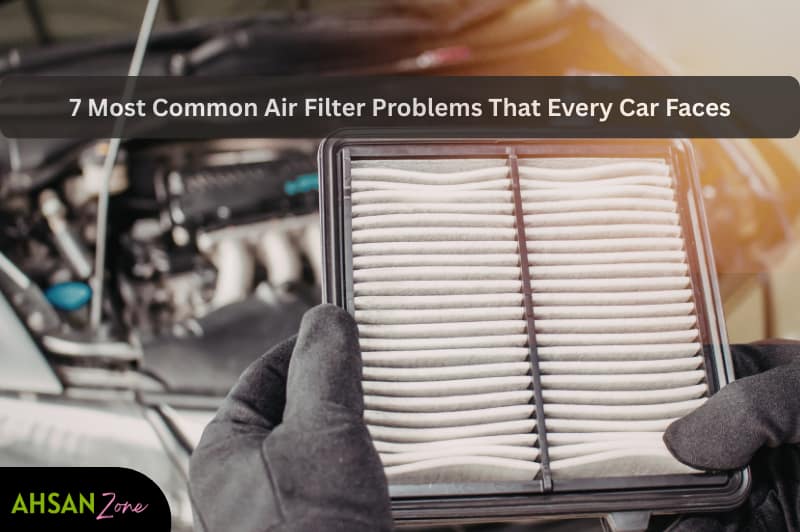
7 Most Common Air Filter Problems That Every Car Faces
If you own a car, you’ve probably heard your mechanic say, “Change the air filter every year.” But why is this small, inexpensive part so important? Most drivers don’t realize how much a dirty air filter affects the engine. It can quietly reduce power, increase fuel consumption, and even shorten engine life.
As someone who follows automotive maintenance closely, I’ve seen many car owners ignore the air filter simply because they think it’s “not a big deal.” But this simple component plays a huge role in how your engine breathes, performs, and lasts.
In this article, I’ll explain the 7 most common air filter problems, what symptoms to notice, and when to replace the filter. By the end, you’ll know how to avoid breakdowns and keep your car running smoothly—without unnecessary repair costs.
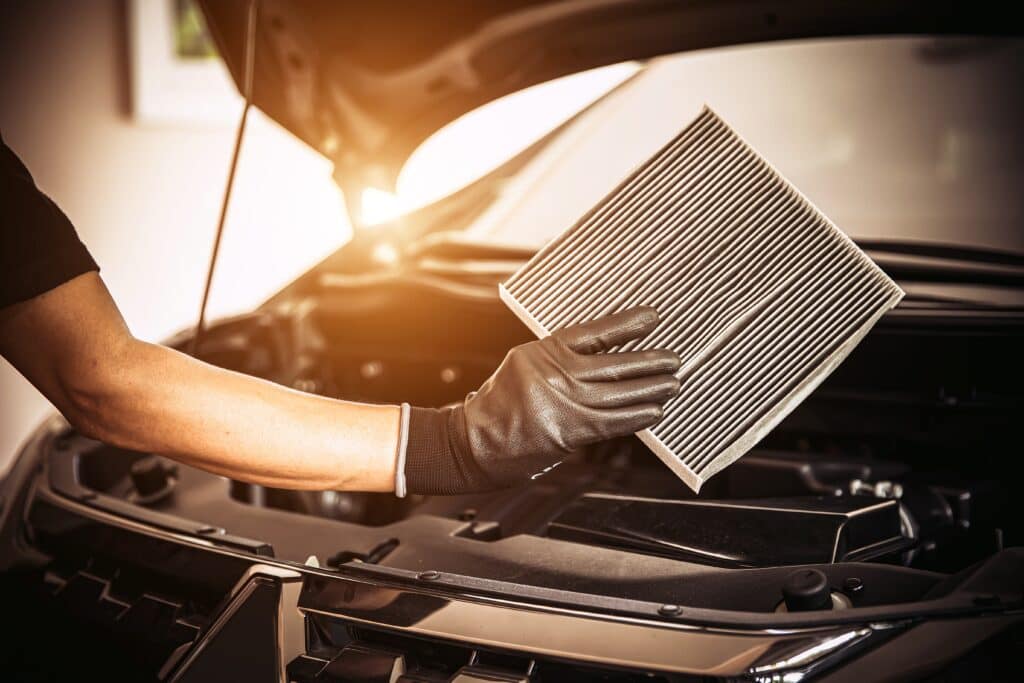
Why Your Engine Needs an Air Filter
Your car’s engine burns fuel to create power. But fuel cannot burn alone—it needs air. A lot of air.
For every liter of fuel, the engine may need thousands of liters of air to burn correctly.
That’s where the air filter comes in. It keeps the air clean by blocking:
Dust
Dirt
Pollen
Soot
Road debris
When the filter gets clogged, the engine struggles to breathe. That leads to:
Poor fuel burn
Reduced acceleration
Higher fuel usage
Increased emissions
Loss of horsepower
Your environment also matters. If you drive in dusty or polluted areas, the air filter gets dirty much faster and needs earlier replacement.
Most Common Symptoms Your Air Filter Has a Problem
Below are the seven issues most drivers experience when their air filter is dirty or failing.
1. Black Smoke from the Exhaust
Black smoke is one of the clearest signs of a clogged air filter. When the engine doesn’t get enough air, the fuel doesn’t burn properly.
This leads to:
Black exhaust smoke
More carbon buildup
Higher emissions
Black smoke can also appear due to bad engine oil, but a dirty filter is one of the most common causes. If you notice dark fumes, check the air filter immediately.
2. Weird Engine Sounds (Coughing, Popping, Rumbling)
A healthy engine should sound smooth. If you hear:
Popping
Coughing
Spitting
Rough idling
Deep rumbling
These sounds often mean the engine is starved of air. A clogged filter disrupts fuel burn, leading to dirty spark plugs and uneven combustion.
3. Strong Smell of Unburnt Fuel
If you smell raw fuel when you start the engine or while driving, it usually means:
The fuel isn’t burning completely
The air-to-fuel ratio is wrong
The engine is receiving more fuel than needed
This often happens because the air filter is restricting airflow. The smell may even linger in your garage or around other parked cars.
4. Reduced Mileage (Poor Fuel Economy)
One of the first things a clogged air filter affects is fuel economy.
When the engine doesn’t get enough air:
Combustion becomes weak
The engine compensates by burning more fuel
Mileage drops
If you suddenly find yourself visiting the gas station more often, check the air filter before assuming something serious is wrong.
5. Slow Acceleration or Poor Pickup
A dirty air filter reduces the oxygen supply. Without enough oxygen, the engine cannot produce full power.
You may notice:
Sluggish acceleration
Delayed pickup
Weak response when pressing the pedal
Difficulty overtaking
Replacing the air filter often restores acceleration instantly.
6. Car Backfiring
If your car makes a loud “bang” or “pop” sound during acceleration or gear shifts, it might be backfiring.
Backfiring happens when unburnt fuel ignites in the exhaust system due to:
Poor combustion
Incorrect air-fuel mixture
Clogged air filter
Old spark plugs
A simple air filter replacement can fix or reduce this issue.
7. Reduced Horsepower (Engine Feels Weak)
Horsepower depends on how efficiently your engine burns fuel. When the air filter is dirty:
Airflow drops
Combustion becomes weak
Engine power decreases
HP output reduces
Tests show that replacing a clogged air filter can improve horsepower by up to 10–12%, depending on the car.
Quick Overview: Air Filter Problems & Symptoms
| Air Filter Problem | What You’ll Notice | Possible Damage |
|---|---|---|
| Clogged with dust | Slow acceleration, low power | Weak combustion |
| Blocked airflow | Drop in mileage | Higher fuel cost |
| Dirty or damp filter | Unburnt fuel smell | Emission issues |
| Torn filter surface | Dirt entering engine | Engine wear |
| Old filter | Black smoke | Carbon buildup |
| Poor-quality filter | Reduced airflow | Sensor issues |
| Improper installation | Air leaks | Engine misfire |
When Should You Replace the Air Filter?
It depends on your environment and driving habits. General recommendations:
Every 12,000–15,000 miles for normal usage
Every 6,000–10,000 miles for dusty or polluted areas
Replace immediately if:
You see dirt or debris
Mileage drops suddenly
The filter looks dark or clogged
You hear unusual engine sounds
Checking the filter during every oil change is a good habit.
Air Filter: Replace or Clean?
Many drivers try to “clean” the air filter. But cleaning rarely restores full efficiency.
Replacing is better because:
Filters are cheap
Cleaning doesn’t remove fine dust
Washing can damage the filter material
A damaged filter may let dirt enter the engine
A new filter ensures the engine gets proper airflow and stays protected.
Final Words
Air filters may seem small, but they have a big impact on engine performance, fuel economy, and overall driving comfort.
A clean air filter means:
Better mileage
Faster acceleration
Lower emissions
Longer engine life
Smoother driving
So, the next time your car feels slow or rough, don’t panic. Check the air filter first. Sometimes, the simplest fix makes the biggest difference.