7 Signs Your Car Might Need a New Catalytic Converter
If your car feels sluggish, emits strange smells, or fails an emissions test, it might be time to check your catalytic converter. This small but essential device reduces harmful gases like carbon monoxide and nitrogen oxides. It keeps your engine clean and helps protect the environment.
In this article, I’ll explain 7 signs your catalytic converter is failing, why it happens, and what you should do to fix it.
What Is a Catalytic Converter?
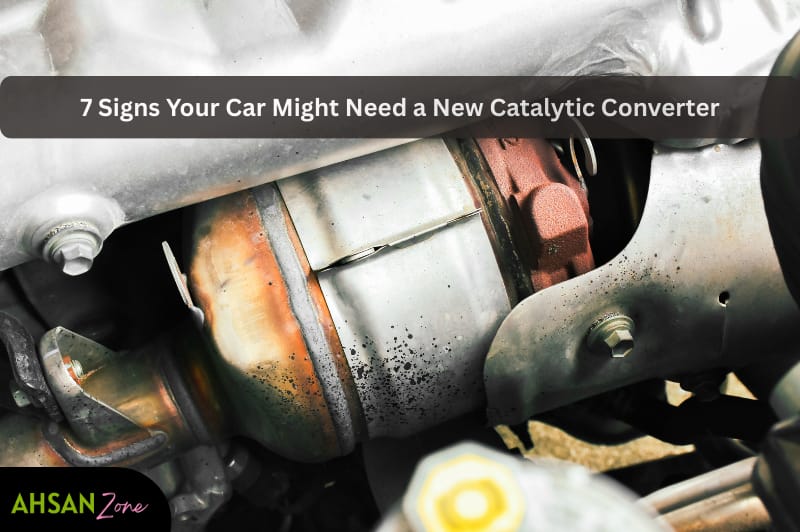
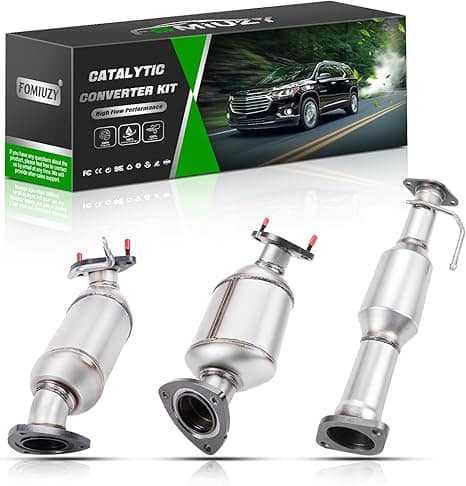
A catalytic converter (or “cat”) is part of your car’s exhaust system. It sits between the exhaust manifold and the muffler. Its job is to convert toxic gases into less harmful ones like carbon dioxide and water.
-
Uses metals like platinum, palladium, and rhodium as catalysts.
-
Reduces emissions of carbon monoxide, nitrogen oxides, and hydrocarbons.
-
Required in all U.S. cars since 1975.
Some cars have dual exhausts, meaning two converters. Most have one. Removing a catalytic converter is illegal under U.S. law.
Why Catalytic Converters Fail
Most catalytic converters are durable and last 10+ years. But problems arise when the engine is not running correctly.
Common causes include:
-
Wrong air/fuel mixture
-
Bad spark plugs
-
Failed oxygen sensors
-
Unburned fuel entering the exhaust
When these happen, the catalytic converter can clog, overheat, or fail.
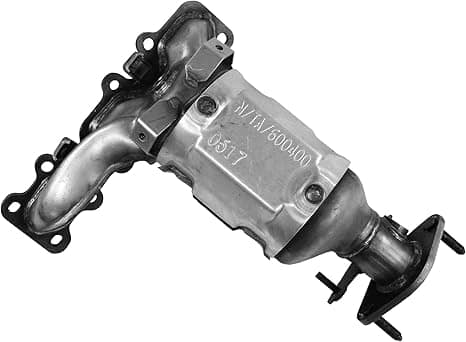
7 Signs Your Car Might Need a New Catalytic Converter
1. Rotten or Sulfur Smell
A failing cat often emits a rotten egg or sulfur smell. This happens when sulfur in fuel isn’t converted properly into odorless gases.
-
Noticeable at highway speeds.
-
Can indicate a clogged or oxidized catalytic converter.
2. Loud or Rattling Noises
If you hear rattling inside the exhaust:
-
Small pieces of the catalyst may have broken off inside.
-
This often happens after a collision or severe engine overheating.
The honeycomb inside the converter does the filtering. When damaged, it reduces efficiency.
3. Reduced Engine Performance
A failing converter restricts exhaust flow, affecting:
-
Acceleration
-
Engine power
-
Fuel efficiency
If your car feels sluggish, a clogged or broken catalytic converter may be the cause.
4. Check Engine Light On
Modern cars use oxygen sensors to monitor catalytic converters. A failing cat triggers the Check Engine Light (CEL).
-
Engine codes may indicate O2 sensor issues, emissions faults, or engine performance problems.
-
Scanning codes with a diagnostic tool will confirm the issue.
5. Poor Acceleration
Exhaust backpressure caused by a clogged cat can reduce acceleration.
-
Noticeable when going uphill or towing heavy loads.
-
Cleaning may help temporarily, but replacement is usually best.
6. Emission Test Failure
Failing a smog or emissions test is a strong indicator of a bad catalytic converter.
-
U.S. vehicles must pass annual smog checks in many states.
-
A bad cat increases toxic emissions and can prevent your car from passing.
7. Black Smoke from the Exhaust
If the converter cannot process gases properly, black smoke may appear from your tailpipe.
-
Indicates unburned fuel in the exhaust.
-
A sign the converter is clogged or damaged.
Catalytic Converter Cost
The price varies by car and brand. On average:
| Type | Price Range (USD) | Notes |
|---|---|---|
| Standard Replacement | $150–$700 | Most common for regular cars |
| OEM / Brand Name | $800–$1500 | Higher quality or luxury cars |
| Labor Costs | $100–$300 | Installation fees |
FAQs
Q1: How long does a catalytic converter last?
A: Usually 10–15 years, but engine problems can shorten its life.
Q2: Can I drive with a bad catalytic converter?
A: Yes, but your car may feel sluggish, fail emissions tests, and produce bad smells.
Q3: Can a clogged converter be cleaned?
A: Sometimes, but replacement is more reliable and safer.
Final Thoughts
The catalytic converter is vital for engine performance and environmental safety. Recognize the signs early:
-
Rotten smell
-
Rattling noises
-
Poor acceleration
-
Check Engine Light
-
Emission test failure
-
Black smoke
Ignoring these signs can lead to engine damage and legal issues. Replacing a failing catalytic converter restores performance, reduces emissions, and keeps your car road-legal.