Age and Weight Chart for Car Seats: The Complete Parent’s Guide
Every parent wants their child to be safe while traveling in a car. A car seat is not just a convenience—it’s a life-saving device. Choosing the right car seat depends on your child’s age, weight, and height. Using the wrong seat can increase the risk of injury during a collision.
This guide provides a complete age and weight chart for car seats, explains the types of seats, and gives practical tips to keep your child secure on every journey.
Why Car Seat Safety Matters
According to the CDC, proper car seat use can reduce the risk of fatal injury by up to 71% for infants and 54% for toddlers. Many accidents happen because children are in seats that do not fit their size or developmental stage.
Children grow quickly, and their needs change frequently. This is why following an age and weight chart for car seats is crucial. It ensures the child’s neck, spine, and body are supported properly.
Car Seat Types and Their Guidelines
| Age Group | Weight | Type of Car Seat | Key Benefits |
|---|---|---|---|
| Infants (0–12 months) | 4–50 lbs | Rear-facing car seat / Convertible rear-facing | Protects neck and spine, keeps head secure |
| Toddlers (1–3 years) | 20–40 lbs | Forward-facing car seat with 5-point harness | Provides comfort and safety for growing toddlers |
| Preschoolers (4–7 years) | 40–65 lbs | Forward-facing car seat / Booster seat | Ensures proper harness fit and posture |
| Children (8–12 years, ~4 ft 9 in) | 40–120 lbs | High-back / Backless booster seat | Elevates child for proper seatbelt fit |
| Teens & Adults | >120 lbs | Car’s default seat with seatbelt | Standard seatbelt protects adequately |
1. Rear-Facing Car Seats
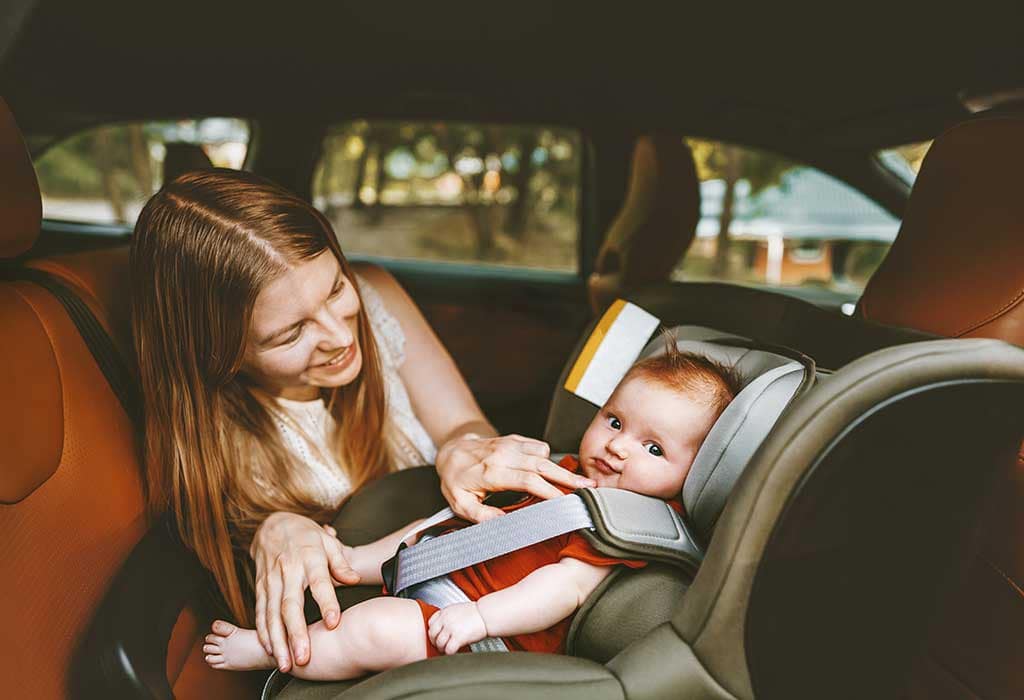
Rear-facing seats are recommended for infants and young toddlers, usually from birth to 2–3 years, depending on the seat’s weight limit.
Why rear-facing?
Supports head, neck, and spine during sudden stops.
Keeps the heavy head from moving forward in a crash.
Tips:
Keep your child in a rear-facing seat as long as possible, ideally until they reach the maximum height or weight for the seat.
Convertibles are versatile—they can be rear-facing for infants and then forward-facing for toddlers.
Common Mistakes:
Moving a child to a forward-facing seat too early.
Incorrect installation—always check harness snugness.
2. Forward-Facing Car Seats
Once your child exceeds rear-facing limits (usually 2–3 years old and 20–40 lbs), it’s time for a forward-facing car seat.
Benefits:
Equipped with a 5-point harness for safety.
Provides comfort and a clear view for toddlers.
Tips:
Ensure harness straps are at or above the child’s shoulders.
The seat should be installed tightly with the vehicle’s seatbelt or LATCH system.
Common Mistakes:
Loosening harness straps for comfort.
Using an old car seat beyond its expiration date.
3. Booster Seats
When children reach 4 ft 9 in or weigh 40–120 lbs, booster seats are recommended.
Benefits:
Raises the child so that the seatbelt fits across the shoulder and lap correctly.
Maintains proper posture and reduces injury risk in crashes.
Types:
High-back boosters – provide head and neck support, ideal for cars without headrests.
Backless boosters – lightweight and portable, works in vehicles with headrests.
Tips:
Use until your child can sit properly with a seatbelt alone, usually around 12 years or 4 ft 9 in tall.
Make sure the lap belt lies snugly across the upper thighs, not the stomach.
4. Standard Seatbelts for Older Children and Teens
Once a child exceeds 120 lbs, the car’s built-in seatbelt is usually sufficient.
Tips:
Ensure the shoulder belt lies across the chest, not the neck.
The lap belt should lie low on the hips, touching the thighs.
Encourage children to sit all the way back with feet on the floor for optimal protection.
Safety Tip:
Even teens should sit in the back seat if possible, as it’s safer during collisions.
Additional Safety Tips
Always check the car seat’s expiration date.
Make sure all harnesses and buckles are snug and properly routed.
Never use a second-hand car seat if its history is unknown.
Avoid bulky clothing under harnesses—they reduce effectiveness.
Follow the manufacturer’s installation instructions carefully.
Transitioning Between Car Seats
Rear-facing → Forward-facing:
Wait until your child reaches the maximum rear-facing weight or height.
Never rush; early transition increases injury risk.
Forward-facing → Booster seat:
Move to booster once child exceeds harness limits.
Ensure seatbelt fits across chest and lap properly.
Booster → Seatbelt alone:
Only when child can sit all the way back with feet on the floor.
Should weigh over 80–100 lbs and be at least 4 ft 9 in tall.
FAQs
Q1: How long should my child stay rear-facing?
A: At least until 2 years old, ideally until the rear-facing seat reaches its maximum weight or height limit.
Q2: Can a 3-year-old sit in a booster seat?
A: No. Booster seats are generally for children 4 ft 9 in or weighing 40–120 lbs.
Q3: When can my child sit in the front seat?
A: Recommended after age 13, and only if the seatbelt fits correctly.
Q4: How do I know if my child has outgrown a forward-facing seat?
A: Check the seat manual for maximum weight and height limits; if your child exceeds them, transition to a booster.
Conclusion
Following the age and weight chart for car seats is essential for your child’s safety. From rear-facing seats for infants to boosters for older children, each stage protects your child as they grow.
Always check the seat installation, harness fit, and seatbelt position before every ride. Proper car seat use can save lives and prevent injuries.