Why Your Car Alarm Keeps Going Off Randomly (Causes, Fixes & Expert Advice)
A car alarm is designed to protect your vehicle. It alerts you when something unusual happens. But when the alarm keeps going off without reason, it becomes annoying. It wakes up the neighborhood. It drains your battery. It adds stress to your daily life.
As a professional auto technician, I’ve seen this problem often in the U.S. market. Most cases are simple. Some cases are electrical. A few come from poor installation or a failing control module. In this guide, I will explain every possible cause. I will also share the exact solutions we use in real workshops.
My goal is simple:
Help you understand why your car alarm keeps going off and how to fix it quickly and safely.

What Triggers a Car Alarm
A car alarm works through a network of sensors. These sensors talk to the alarm control module. When something abnormal is detected, the alarm activates.
Common triggers include:
Door sensors
Hood and trunk latch sensors
Shock sensors
Tilt sensors
Ignition and key signal
Battery voltage changes
Interior motion sensors (for high-end models)
Anything that disrupts these signals can cause a false alarm.
Reasons: Why Your Car Alarm Keeps Going Off
Below are all the major causes in detail. These are based on real workshop cases, U.S. customer reports, and modern vehicle electrical systems.
1. Weak or Low Car Battery
A weak 12-volt battery is the number one cause of false alarms.
When the battery voltage drops, the alarm system becomes unstable. Modern alarms monitor voltage to detect break-ins. If the voltage fluctuates, the alarm thinks someone is trying to disconnect power.
Signs:
Car struggles to start
Dim interior lights
Clicking sound when turning the key
Alarm goes off when starting the car
Fix:
Check battery with a multimeter
Normal: 12.6V+
Under 12.2V = low
Under 12.0V = needs charge
Replace the battery if it’s older than 4–5 years
2. Weak Key Fob Battery or Faulty Key Fob
Your key fob sends lock/unlock signals. When the battery becomes weak, the signal becomes unstable. The car may think someone is trying to access the door.
Symptoms:
Delayed lock/unlock
Alarm goes off when unlocking
Need to stand close to the car to lock/unlock
Fix:
Replace the coin battery (CR2032 or CR2025 for most U.S. cars)
Reprogram the key fob if needed
Try a spare key fob to see if the issue remains
3. Faulty Door Lock Sensor
Door sensors detect whether the door is fully closed. If the sensor becomes weak, dirty, corroded, or misaligned, the alarm receives a false “door opened” signal.
Causes:
Dirt and debris
Corrosion
Loose door latch
Water intrusion
Fix:
Clean the sensor
Check rubber seal around the door
Tighten the latch
Replace the switch if worn out
4. Hood Latch Sensor Failure
One of the most overlooked causes.
The hood latch sensor tells the alarm if the hood is open or closed. A sensitive hood switch can trigger the alarm even with a small vibration.
Fix:
Spray latch with electrical cleaner
Clean corrosion
Tighten bolts
Replace sensor if the spring mechanism is weak
5. Trunk Latch Sensor Issues
A loose trunk latch also confuses the alarm system. Even small bumps on the road can trigger it.
Fix:
Adjust latch position
Lubricate the mechanism
Check wiring under the trunk panel
6. Rusted or Dirty Battery Terminals
Corrosion on battery terminals creates unstable power flow. The alarm module reads this as suspicious activity.
Fix:
Remove battery terminals
Clean with baking soda and water
Brush off corrosion
Reinstall tightly
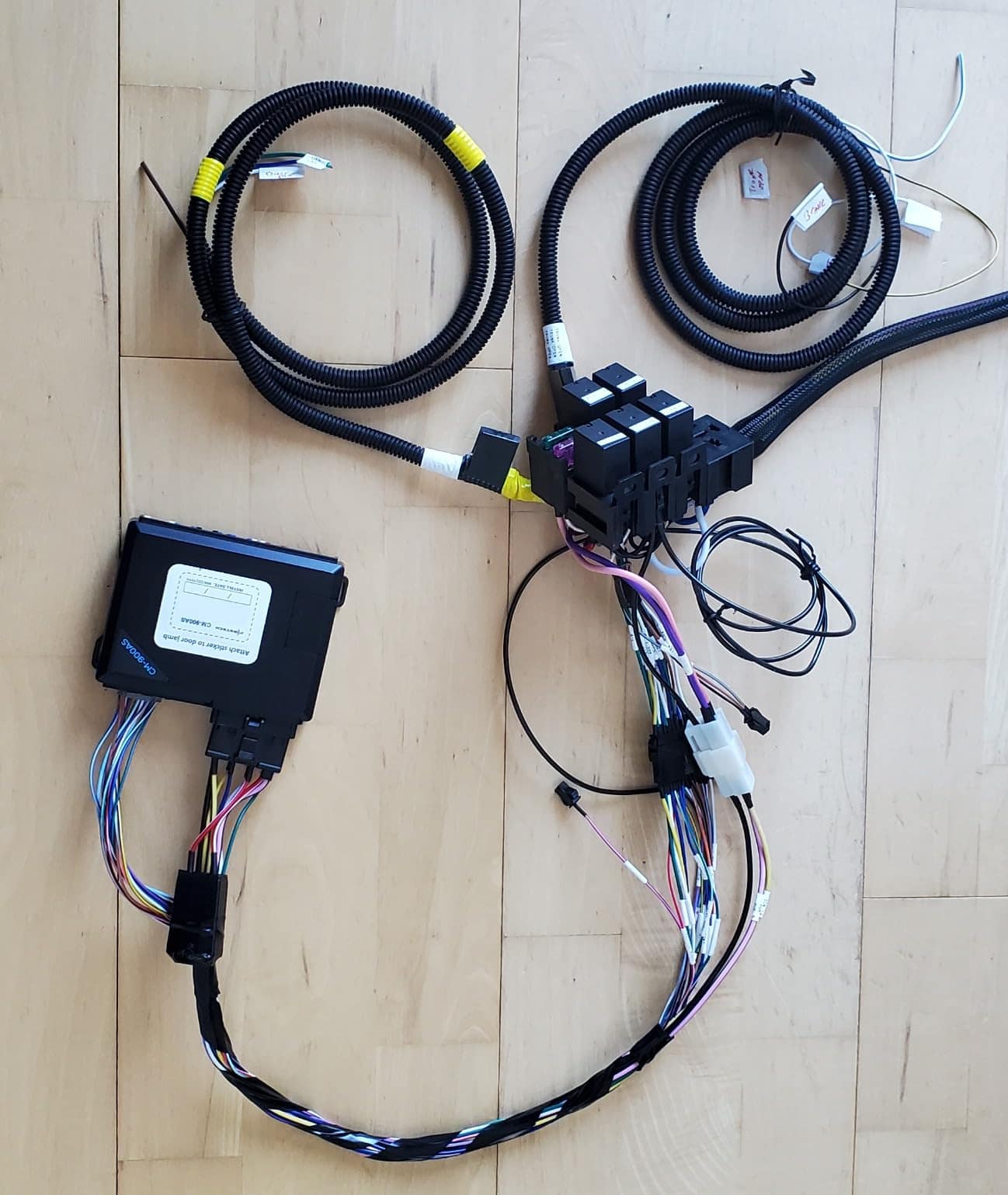
7. Wiring Problems
Wiring issues happen more often than you think. Many U.S. vehicles suffer from rodent-chewed wires, loose connections, or poor aftermarket work.
Common wiring faults:
Loose grounds
Damaged insulation
Exposed wires touching metal
Bad splices from aftermarket alarm installation
Fix:
Check wiring under the dash
Check hood area wiring
Look for signs of rodents
Repair or replace damaged wiring
8. Faulty Alarm Control Module
The alarm module is the “brain.” When it fails, it sends signals randomly. This is common in older vehicles and cheaper aftermarket alarms.
Fix:
Hard reset the alarm
Update the module (dealer)
Replace the alarm brain if damaged
9. Sensitivity Settings Too High
Shock and tilt sensors can be overly sensitive.
Triggers:
Wind
Passing trucks
Rain
Loud music
Pets jumping on car
Garage vibrations
Fix:
Reduce sensitivity on the alarm settings
Adjust the shock sensor knob (usually under the dash)
10. Poorly Installed Aftermarket Alarm
DIY installations often cause false alarms. Incorrect grounding, bad splicing, and cheap parts are common problems.
Fix:
Have a professional rewire the system
Replace cheap aftermarket alarms with reliable brands
11. Temperature & Weather Effects
Extreme cold or heat affects electrical connections and fob batteries.
Cold weather causes:
Weak battery
Fob battery failure
Sensor freeze
Hot weather causes:
Expansion of plastics causing misalignment
Overheated electronics
Fix:
Keep battery healthy
Inspect sensors seasonally
Quick Troubleshooting Table
| Issue | Why it Happens | Quick Fix |
|---|---|---|
| Low battery | Voltage drops → false trigger | Charge or replace battery |
| Weak fob battery | Weak signal → alarm confusion | Replace coin cell battery |
| Faulty door sensor | Switch misreads status | Clean/replace sensor |
| Hood latch sensor | Sticks or misaligns | Clean or replace |
| Wiring damage | Intermittent signals | Inspect and repair wiring |
| Sensitive shock sensor | Small movements trigger alarm | Lower sensitivity setting |
| Bad alarm module | Internal fault | Reset or replace |
| Poor installation | Wrong wiring | Reinstall professionally |
Step-By-Step Fixing Guide (Mechanic Level)
This is exactly how we inspect alarms in a U.S. workshop.
Step 1: Replace the key fob battery
Takes 5 minutes. Cheap fix. Often solves the issue.
Step 2: Check car battery voltage
Use a multimeter. If below 12.2V, charge or replace.
Step 3: Inspect door, hood, and trunk latches
Look for dirt, corrosion, loose bolts. Push each latch manually to test sensor operation.
Step 4: Check shock/tilt sensor sensitivity
Most alarms have a small dial. Reduce sensitivity slightly.
Step 5: Inspect wiring
Check under the dash, battery area, and fender wells. Look for loose grounds or rodent bites.
Step 6: Hard reset the alarm
Disconnect battery for 10 minutes. Reconnect.
Step 7: Consider alarm module replacement
If nothing works, the module may be bad.
Expert Opinions (U.S. Mechanics)
1. Jamie, ASE-Certified Mechanic – Dallas, Texas
“Most alarms that go off at night are caused by weak batteries. People blame sensors, but nine times out of ten, I find the battery voltage dipping under 12 volts.”
2. Mark, Master Technician – Orlando, Florida
“Aftermarket alarms are the biggest troublemakers. Many are installed with poor connectors and cheap wiring. If your alarm was installed at home, check the wiring first.”
3. Alicia, Mobile Auto Electrician – California
“The hood latch sensor is the most ignored part. Dust and moisture build up inside. A $20 sensor replacement fixes many false alarm cases.”
4. Ryan, Shop Owner – Michigan
“We get alarm complaints every winter. Cold temperatures kill weak fob batteries. People think it’s a wiring issue, but it’s just a dead coin cell.”
Final Safety Note
A malfunctioning alarm is not just annoying. It may hide a real electrical problem. An electrical short can lead to:
Battery drain
Alternator damage
Car not starting
Fire hazard (rare but possible)
If your alarm keeps going off daily, do not ignore it.
Electrical issues worsen over time. Get your vehicle inspected by a certified mechanic if you are unsure.
FAQ
1. Can a car alarm drain the battery?
Yes. Repeated alarms and standby power draw can drain a weak battery.
2. Why does my alarm go off when I unlock the door?
Your key fob battery may be weak or the door sensor isn’t detecting the unlock signal.
3. Can weather trigger a car alarm?
Yes. Strong wind, heavy rain, or extreme cold can affect sensors.
4. Should I disconnect my alarm system?
No. Only disconnect during troubleshooting. Keeping it disconnected weakens your vehicle security.