Car Window Tint for Hot Weather: Stay Cool and Protect Your Car
Driving during summer can be exciting, but hot weather brings challenges. Sunlight contains UV rays and infrared radiation, which can cause skin damage, heatstroke, and car interior fading. Direct glare can also reduce visibility and increase the risk of accidents.
This is why car window tint for hot weather is essential. Tinting your windows reduces heat, protects your skin, and saves fuel by reducing AC usage. Let’s explore how it works, the best types of tints, and tips for summer driving.
How Car Window Tint Reduces Heat
Window tints are made of a thin polyester film, often infused with materials like carbon or ceramic. They reduce heat by blocking UV rays, visible light, and infrared radiation.
Standard tints: Block 35–45% of UV rays
Premium carbon or ceramic tints: Block up to 99% of UV rays and 50% of solar heat
Benefits:
Keeps interior cooler
Reduces AC usage and fuel consumption
Prevents fading and cracking of car seats
Reduces glare for safer driving
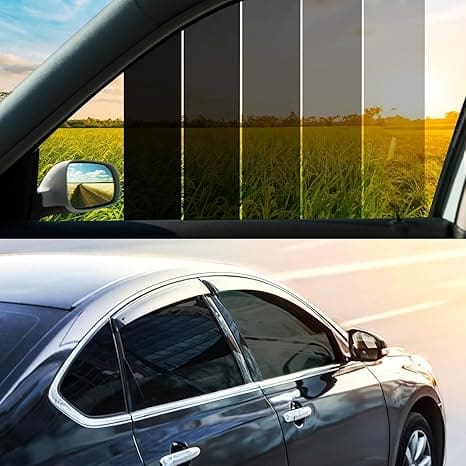
Why Window Tint is Important for Hot Weather
| Reason | How Tint Helps |
|---|---|
| Sun glare | Reduces reflective glare for safer driving |
| UV radiation | Blocks up to 99% of harmful UV rays, protecting skin |
| Interior fading | Protects seats, dashboard, and panels from sun damage |
| Heat and fuel cost | Decreases cabin temperature, reducing AC load |
| Heatstroke prevention | Keeps occupants cooler and reduces risk of overheating |
Best Type of Tint for Heat
Carbon window tints are ideal for hot weather:
Made of carbon material, non-metallic
Blocks up to 50% of solar energy and 99% UV rays
Prevents signal interference with phones, GPS, or radios
Does not fade over time
Adds a sleek black aesthetic to the car
Other options:
Ceramic tints: Superior heat rejection, more expensive
Dyed tints: Budget-friendly, moderate heat reduction
Metallic tints: Strong heat rejection but may interfere with electronics
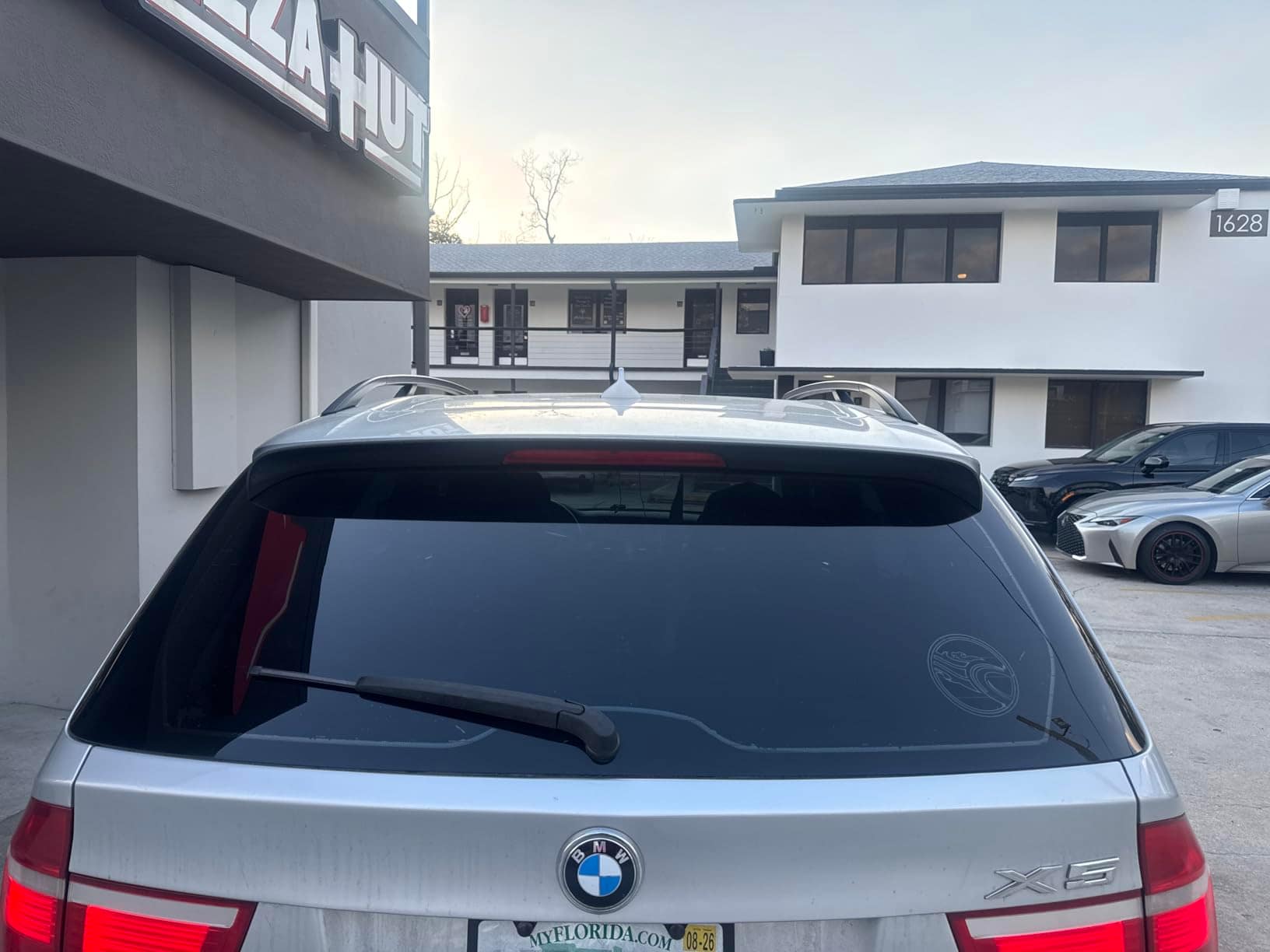
Suggested Image: Close-up of carbon-tinted window reflecting sunlight.
How Window Tint Works to Reduce Heat
Window tints work through a combination of:
UV absorption: Blocks harmful UV rays that cause skin damage and interior fading
Infrared rejection: Reduces infrared rays that contribute to cabin heat
Visible light reduction: Decreases glare and makes driving more comfortable
Heat Reduction by Tint Type
| Tint Type | UV Protection | Heat Reduction | Signal Interference | Cost |
|---|---|---|---|---|
| Carbon | Up to 99% | Up to 50% | None | Moderate |
| Ceramic | Up to 99% | 50–60% | None | High |
| Dyed | Up to 50% | 30–40% | None | Low |
| Metallic | Up to 99% | 40–50% | Possible | Moderate |
Does Carbon Tint Really Help With Heat?
Yes. Carbon tints reflect UV and infrared rays without absorbing heat themselves. They prevent your car from overheating and reduce reliance on AC, saving fuel and keeping occupants comfortable.
Best Time to Tint Your Windows
The summer season is the ideal time:
Hot summer sun maximizes heat exposure
Tinting during peak sunlight ensures maximum protection
Your car remains cooler while driving or parked
Additional Benefits of Window Tint for Hot Weather
Enhanced privacy: Darker tint prevents outsiders from seeing inside
Safety in accidents: Tint film can hold shattered glass together
Aesthetic appeal: Adds a sleek look to your vehicle
Tips for Choosing the Right Tint
Check local laws: Each state has limits on tint darkness
Prioritize UV and heat rejection: Especially in southern U.S. states
Avoid metallic tints if worried about interference
Professional installation recommended for best results
FAQ – Car Window Tint for Hot Weather
1. Does window tint really reduce car heat?
Yes, it blocks UV rays and up to 50% of solar heat, keeping the cabin cooler.
2. Which window tint is best for hot weather?
Carbon and ceramic tints are the most effective for heat rejection.
3. Can tinted windows prevent skin cancer?
Tinting can block up to 99% of harmful UV rays, reducing long-term skin damage risk.
4. Does window tint save fuel?
Yes, by reducing AC usage, it lowers fuel consumption.
5. When is the best time to tint windows?
Summer is ideal because maximum sunlight ensures heat and UV protection benefits.
6. Will window tint interfere with electronics?
High-quality carbon and ceramic tints do not interfere, unlike some metallic tints.
Conclusion
Car window tint for hot weather is more than a cosmetic upgrade. It protects your skin, reduces interior heat, prevents fading, and improves driving safety.
By choosing the right tint type (preferably carbon or ceramic) and installing it professionally, you can stay cool, save fuel, and enjoy a safer, more comfortable ride during hot summer days.