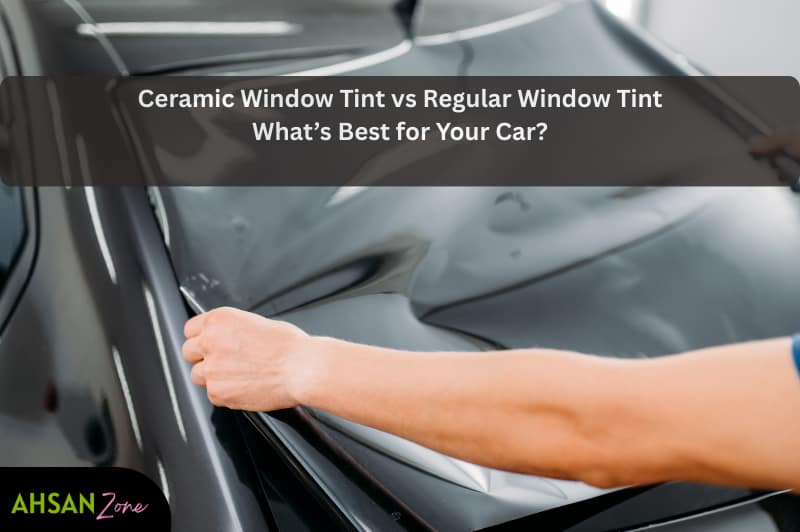
Ceramic Window Tint vs Regular Window Tint: What’s Best for Your Car?
Car window tinting is more than just a styling upgrade. It plays a key role in keeping your vehicle cooler, protecting your skin from UV rays, improving privacy, reducing glare, and even extending the life of your upholstery.
When deciding between ceramic window tint vs regular window tint, it’s essential to understand how each type performs, what benefits they offer, and which one gives you the best value for your money — especially in hot weather or sunny regions of the USA.
In this guide, you’ll get a complete breakdown to help you choose the right tint for your car.
Why Window Tint Matters
Window tinting is about comfort and protection:
Heat reduction — keeps cabin temperature lower
UV protection — blocks harmful ultraviolet radiation
Glare reduction — improves visibility while driving
Comfort improvement — less need for AC, saving fuel
Interior protection — prevents fading and cracking of seats and dashboards
Understanding the differences between ceramic and regular window tint helps you pick the best option for your lifestyle and climate.
Ceramic Window Tint vs Regular Window Tint — Comparison Table
| Feature | Ceramic Window Tint | Regular Window Tint |
|---|---|---|
| Heat rejection | Very high (excellent cooling) | Moderate |
| UV protection | Extremely strong | Good to moderate |
| Glare reduction | High | Lower |
| Electronic interference | None | Possible |
| Durability | Long‑lasting | Shorter lifespan |
| Fading resistance | Very high | Prone to fading |
| Visibility clarity | Excellent | Good |
| Price | Higher | Lower |
Material Differences
Ceramic Window Tint
Ceramic film is manufactured using advanced, non‑metallic ceramic particles. This allows it to block not only visible light but also infrared heat and UV rays — without interfering with mobile signals, GPS, or radio reception.
Regular Window Tint
Regular tint films are usually dyed or polyester layers. These provide basic heat and UV blocking, but their ability to resist heat, fade, and maintain clarity is not as strong as ceramic options.
Which Blocks Heat Better?
One of the main reasons drivers choose window tint is heat rejection. Ceramic tint performs significantly better here. It reduces solar heat much more effectively than regular films. That means your car stays cooler both while driving and after you park in direct sunlight.
With ceramic tint, you will feel a noticeable difference in cabin temperature, which can reduce reliance on air conditioning. Less air conditioner usage means better fuel economy and less stress on your vehicle’s engine.
Regular tint still provides heat protection, but it doesn’t manage infrared heat as efficiently. In very hot climates — such as Arizona, Texas, Florida, or Southern California — ceramic tint makes a bigger impact.
UV Protection and Skin Safety
Both ceramic and regular tints offer UV protection, but ceramic tint excels in this category. It can block up to 99% of harmful UV radiation, helping protect your skin and eyes from sun damage while also protecting your car’s interior from fading or cracking.
Regular window tint still blocks a portion of UV radiation, but not as much. Over time, this can lead to more sun damage inside the vehicle.
Glare and Comfort
Sun glare can be dangerous while driving, especially during sunrise or sunset. Tinting your windows reduces the glare that bounces into your eyes, making driving more comfortable and safer.
Because ceramic tint blocks a higher percentage of visible light and infrared radiation, it reduces glare more efficiently than regular tint materials.
Electronic Devices and Signal Interference
One major advantage of ceramic window tint is that it does not interfere with electronic devices. Some older regular tints use metallic substances to reflect heat, which can cause issues with:
GPS signal
Satellite radio reception
Bluetooth connectivity
Cell phone signals
Ceramic tint is completely non‑metallic, so you won’t lose any connectivity or signal quality.
Durability and Long‑Term Performance
Ceramic tints are designed to last. They are less likely to peel, bubble, fade, or discolor over time. This makes them a long‑term investment that maintains performance year after year.
Regular window tints are more prone to fading or degrading faster, especially in hot and sunny environments. Over time, they may start losing their effectiveness and require replacement sooner.
Privacy and Aesthetics
Window tinting can also boost privacy and give your car a sleek look. Regular tint, especially darker dyed films, can make your car appear darker from the outside, offering more privacy.
Ceramic tint also enhances privacy, but it focuses more on performance than just darkness. Even if you choose a lighter tint, ceramic films can block heat and UV rays more efficiently.
Both options make your car look stylish — but ceramic tint is often considered more premium.
Cost Comparison
Here’s how window tint options typically compare in price:
| Tint Type | Approximate Installed Cost |
|---|---|
| Ceramic Window Tint | $300 – $800+ |
| Regular Window Tint | $150 – $600 |
Ceramic tint costs more upfront. However, because it performs better and lasts longer, the investment often pays off over time through reduced maintenance, less need for AC, and improved interior longevity.
Best Tint for Hot Weather in the USA
If you live in an area with extreme heat or strong sun exposure, ceramic tint is typically the better choice because:
It blocks more infrared heat
It reduces cabin temperature more effectively
It lasts longer under constant sun exposure
It preserves interior surfaces
It improves driving comfort and safety
Regular tint can still work well in moderate climates or for budget‑minded drivers, but for performance and protection, ceramic tint is superior.
Common Myths About Window Tint
Myth: Darker tint always means cooler car interior.
Truth: Heat rejection depends on technology (like ceramic), not just darkness.
Myth: All window tints block the same amount of UV.
Truth: Ceramic tint blocks far more harmful rays than most regular films.
Myth: Window tint interferes with gadgets.
Truth: Ceramic tint avoids signal interference; only metallic films might cause issues.
Installation and Maintenance Tips
To get the most out of your window tint:
Choose a reputable installer — precision and quality matter
Consider warranty options — ceramic films often come with long warranties
Allow curing time — avoid rolling windows down for at least a week
Clean carefully — use non‑ammonia cleaners to protect your film
FAQ — Ceramic Window Tint vs Regular Window Tint
1. Does ceramic tint keep the car cooler than regular tint?
Yes. Ceramic tint blocks more solar heat and infrared rays, making your car interior noticeably cooler.
2. Is ceramic window tint worth the extra cost?
For long‑term performance, UV protection, and heat reduction, yes. It pays off through comfort and interior protection.
3. Do regular window tints fade?
Many regular tints fade or discolor over time, especially in hot climates. Ceramic tints are more resistant to fading.
4. Can window tint protect me from skin damage?
Ceramic tint can block up to 99% of UV rays, helping protect your skin during long drives.
5. Will window tint interfere with my car’s signals?
Ceramic tint does not interfere with GPS, radio, phone, or Bluetooth signals.
Conclusion
Choosing between ceramic window tint vs regular window tint depends on your priorities:
Ceramic tint excels in heat reduction, UV protection, durability, and signal clarity — ideal for hot weather and frequent drivers.
Regular tint provides basic protection and privacy at a lower cost, but with shorter lifespan and moderate performance.
For drivers who want the best comfort, safety, and long‑term value, ceramic window tint stands out as the superior choice — especially for hot climates and extended highway driving across the USA.