Check Engine Light Flashing Then Stops: Causes, Diagnosis & Fixes
The check engine light (CEL) is one of the most important indicators on your vehicle’s dashboard. It alerts you to potential issues in the engine, fuel system, ignition system, exhaust, or emissions components. Understanding what it means when the light flashes and then stops can save you costly repairs and keep you safe on the road.
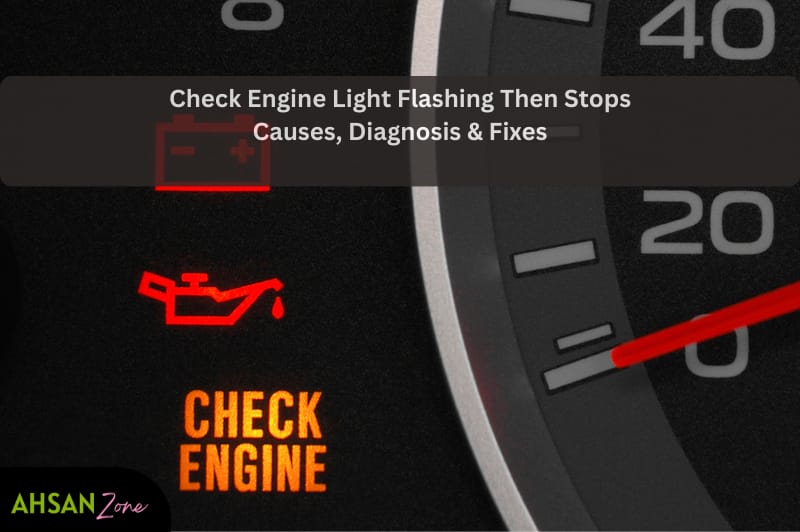
What the Check Engine Light Means
The check engine light is part of your car’s onboard diagnostics system (OBD-II). It monitors hundreds of sensors in real time and triggers a warning if something goes wrong.
Solid CEL: Usually indicates a non-critical issue. You can drive carefully but should address the problem soon.
Flashing CEL: Indicates a serious engine misfire, which can damage your catalytic converter or other engine components. Stop driving immediately if the light flashes.
Note: The check engine light is usually orange or yellow, shaped like an engine icon. Do not confuse it with other dashboard lights, such as “oil pressure,” “battery,” or “maintenance required.”
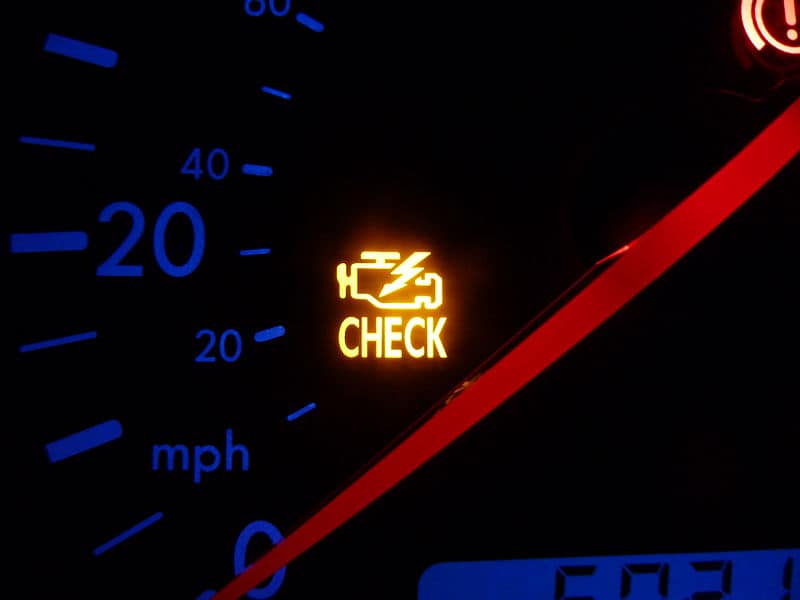
Is It Safe to Drive With the Check Engine Light On?
| Light Status | Safety | Action |
|---|---|---|
| Solid Light | Mostly safe | Schedule a service soon |
| Flashing Light | Unsafe | Stop driving immediately |
Key Points:
A solid CEL may be caused by minor issues like a loose gas cap or oxygen sensor fault.
A flashing CEL often signals engine misfire, which can cause exhaust damage, overheating, or reduced power.
Accompanying symptoms like shaking, smoke, stalling, or high temperature readings require immediate attention.
Common Causes of Engine Misfire
A flashing check engine light usually points to cylinder misfire. Common reasons include:
Worn or fouled spark plugs – old or clogged plugs fail to ignite fuel efficiently.
Faulty ignition coils – weak voltage or damaged coils can prevent spark delivery.
Vacuum leaks – intake leaks reduce fuel efficiency and cause misfires.
Weak fuel injectors – uneven fuel supply leads to misfires.
Worn valve seals or piston rings – cause oil to enter the combustion chamber.
Carbon buildup on cylinders – reduces compression and performance.
Early detection is key to preventing catastrophic engine damage.
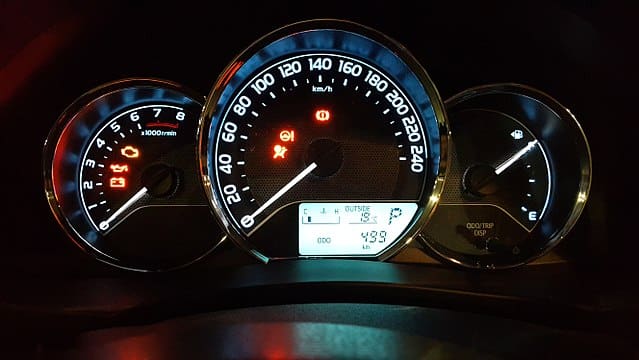
Step-by-Step Diagnosis for Engine Misfire
Step 1: Read Diagnostic Trouble Codes (DTCs)
Use an OBD-II code reader to identify the exact misfiring cylinder.
Example: Code P0302 indicates cylinder 2 is misfiring.
Many auto parts stores in the USA offer free code reading.
Step 2: Inspect and Replace Spark Plugs
Check for oil, corrosion, or worn electrodes on the spark plugs.
Replace damaged or old spark plugs — they are inexpensive and often resolve the misfire.
Inspect ignition coils and replace if necessary.
Step 3: Reset the Engine Light
After repairs, clear the engine codes with a code reader or by disconnecting the negative battery terminal for at least 10 minutes.
This ensures the CEL turns off and confirms the repair was successful.
Other Misfire Prevention Tips
Follow your vehicle’s maintenance schedule.
Use high-quality fuel and oil.
Check and replace air filters regularly.
Inspect spark plugs, ignition coils, and fuel injectors periodically.
Tighten the gas cap to prevent unnecessary CEL triggers.
Preventive maintenance reduces the risk of engine misfire and costly repairs, ensuring a safer driving experience.
Symptoms Accompanying Engine Misfire
Rough idling
Loss of power
Unusual noises from engine
Smoke from exhaust
Poor fuel economy
Dashboard warning lights (oil pressure, temperature)
Professional Insight (U.S. Mechanics)
Mechanics in the USA often advise:
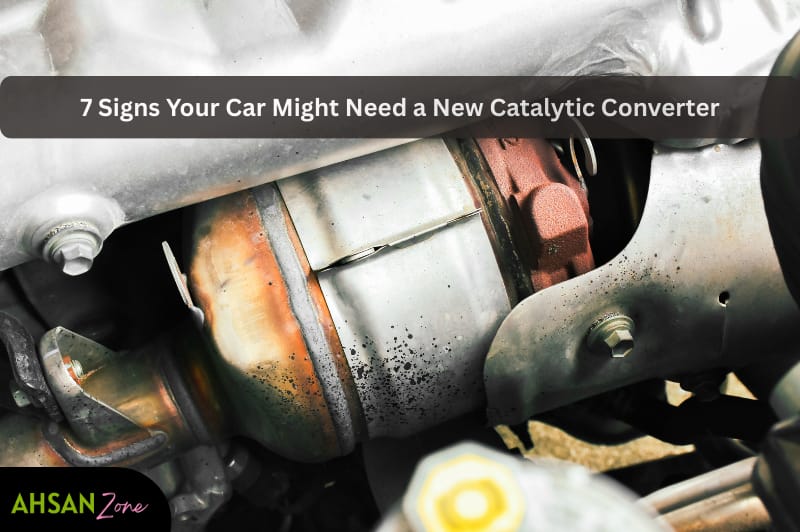
Do not ignore a flashing CEL — even a few miles of driving with a misfire can damage the catalytic converter.
Perform a full cylinder inspection — replace spark plugs, coils, and fuel injectors as needed.
Keep maintenance records — helps diagnose recurring misfires efficiently.
Ignoring these warnings is one of the most common causes of expensive engine repairs in the U.S.
Quick Fix Checklist for Drivers
Read engine codes
Check spark plugs & ignition coils
Inspect fuel injectors & vacuum lines
Look for oil leaks or carbon buildup
Reset CEL after repairs
Follow routine maintenance schedule
FAQ
1. Can I drive if the check engine light flashing then stops?
No. Flashing light indicates an active misfire that can damage your engine. Pull over safely and inspect.
2. What does a flashing CEL indicate?
Most commonly, a cylinder misfire or ignition problem.
3. How much does it cost to fix engine misfire?
It varies. Simple spark plug replacement can be $50-$150. Ignition coils, fuel injectors, or valve repairs can cost $200-$800+.
4. Can I fix a misfire myself?
Minor issues like spark plugs can be DIY-friendly. Major repairs are best handled by a certified mechanic.
5. How can I prevent misfires?
Routine maintenance, high-quality fuel, timely spark plug replacement, and checking ignition components can prevent most misfires.
Final Verdict
A check engine light flashing then stopping is not something to ignore.
Immediate action can prevent engine damage and costly repairs.
Reading diagnostic codes, replacing faulty spark plugs or ignition components, and following preventive maintenance will keep your car running smoothly.
In the USA, certified mechanics recommend taking flashing CEL seriously to ensure safety and maintain vehicle value.
Always pay attention to your check engine light — it’s your car’s early warning system.