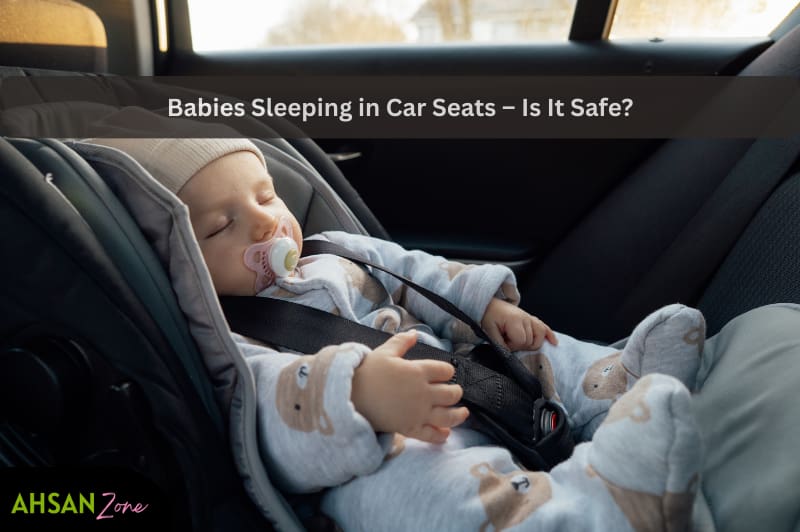
Babies Sleeping in Car Seats – Is It Safe?
Car seats are essential for ensuring babies’ safety during travel. They protect infants in case of accidents and are mandatory in all U.S. states. However, keeping babies sleeping in car seats for extended periods is risky.
Recent studies have linked infant deaths to improper use of car seats during sleep. Babies’ heads can tilt forward, restricting airflow, and prolonged semi-upright positions can cause discomfort, overheating, or even Sudden Infant Death Syndrome (SIDS).
In this article, we’ll explore the risks, recommended usage, practical tips, and safety measures for babies sleeping in car seats.
Why Sleeping in Car Seats Can Be Dangerous
| Risk | Cause | Consequence |
|---|---|---|
| SIDS | Baby sleeps face down or semi-upright | Low oxygen levels, suffocation |
| Overheating | Excessive clothing, poor ventilation | Increased risk of SIDS and discomfort |
| Positional Asphyxiation | Head tilts forward blocking airway | Breathing difficulties, possible death |
| Neck and Spine Strain | Semi-upright position for long periods | Muscle strain, long-term discomfort |
| Circulation Issues | Prolonged stillness | Numbness, reduced blood flow |

The 2-Hour Rule for Car Seat Safety
Most pediatricians and manufacturers recommend not keeping a baby in a car seat for more than 2 hours at a stretch.
Why 2 hours?
-
Infants’ head and neck muscles are weak. A semi-upright position can block airflow.
-
Prolonged pressure on the spine and limbs may cause discomfort or numbness.
-
Babies can overheat due to thick clothing or poor ventilation.
Practical Advice:
-
On long journeys, take breaks every 1–2 hours to remove the baby from the car seat.
-
Stretch their limbs and check for proper blood circulation.
How to Safely Use Car Seats for Sleeping Babies
| Guideline | Explanation |
|---|---|
| Use only during travel | Car seats are designed for safety in motion, not for extended sleep at home |
| Monitor temperature | Remove thick jackets or hats to prevent overheating |
| Rear-facing position | Provides maximum support for head and neck |
| Frequent breaks | Remove baby every 1–2 hours on long trips |
| Proper installation | Follow manufacturer instructions carefully |
| Supervision | Always have an adult monitor the baby’s position and breathing |
Choosing the Right Car Seat for Infants
| Car Seat Type | Weight Limit | Age | Safety Features | Recommended Use |
|---|---|---|---|---|
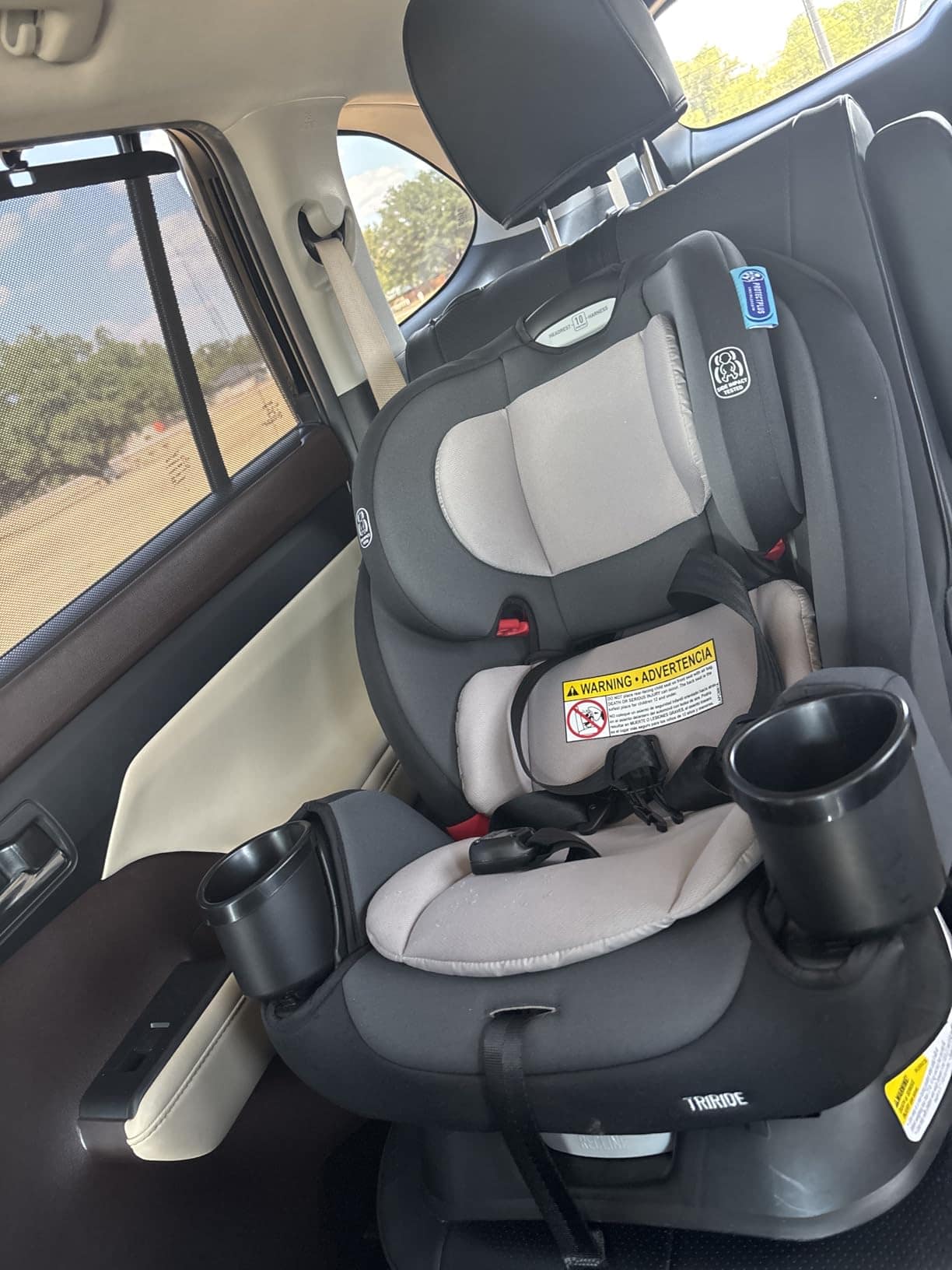
| Rear-Facing Infant Seat | 4–35 lbs | Birth to ~12 months | Side-impact protection, 5-point harness | Travel only, max 2 hours continuous |
| Convertible Rear-Facing Seat | 5–40 lbs | Birth to ~2 years | Adjustable recline, padded headrest | Can be used longer than infant-only seats |
| Forward-Facing Convertible | 20–65 lbs | 2–7 years | Harness & tether system | For toddlers outgrowing rear-facing limits |
| All-in-One Seat | 5–100 lbs | Birth to ~10 years | Multiple recline options, harness-to-belt transition | Long-term use, follow weight/height guidelines |
Tips to Prevent Car Seat-Related Infant Death
-
Check history of second-hand car seats – Ensure it has no prior accidents or hidden damage.
-
Educate caregivers – Grandparents or babysitters must know proper installation and usage.
-
Use correct harness height and padding – Avoid improper restraint.
-
Avoid extra padding not approved – Can interfere with safety features.
-
Keep baby comfortable – Remove extra clothing if overheating occurs.
-
Position baby correctly – Ensure head, neck, and back are supported.
What to Do if Your Baby Falls Asleep in the Car Seat
| Step | Action |
|---|---|
| 1 | Allow only short naps during travel, max 2 hours |
| 2 | Check head position to prevent airway blockage |
| 3 | Rotate baby’s position if possible during long trips |
| 4 | Transfer baby to a flat, firm crib mattress immediately after travel |
| 5 | Move limbs periodically to ensure blood circulation |
Additional Safety Measures and Considerations
-
Avoid using car seats as cribs at home – Only use them for travel.
-
Dress baby appropriately – Light layers to prevent overheating.
-
Monitor baby regularly – Even during short trips.
-
Invest in high-quality, certified car seats – Look for safety certifications like JPMA, ASTM, or NHTSA ratings.
-
Be mindful of side airbags – Ensure the car seat is placed in the correct position in the vehicle.
Conclusion
Car seats are lifesaving devices during travel, but they are not designed for extended sleep. Following the 2-hour rule, proper installation, and careful monitoring can significantly reduce the risks of SIDS, positional asphyxiation, and overheating.
Parents should prioritize safe travel practices, regular breaks, and high-quality car seats. By taking these measures, you can protect your infant while ensuring comfortable and safe journeys.