
Can You Put a Bench Seat in Any Car? (Real Answer for 2026)
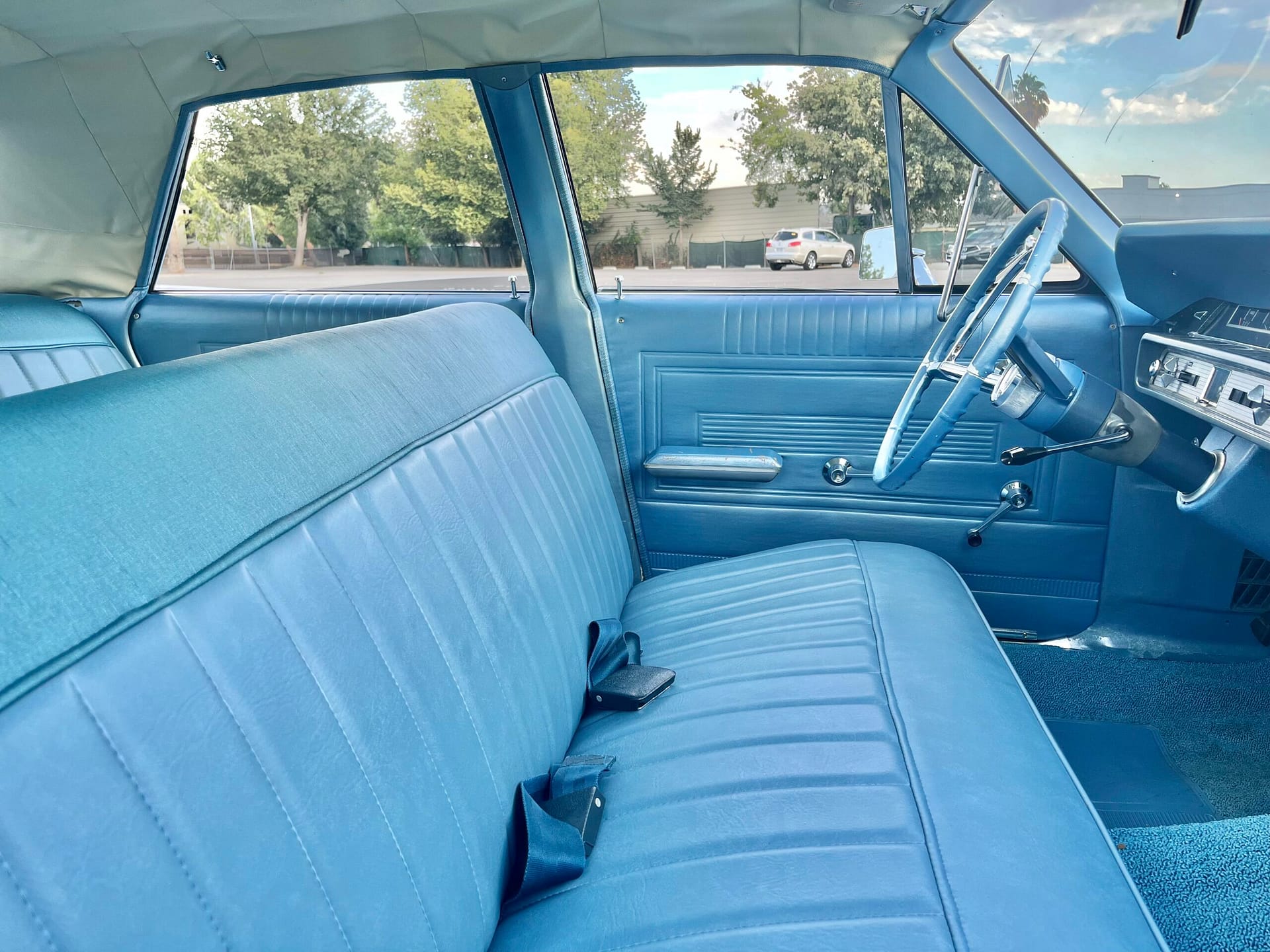
Bench seats were once a classic part of American cars. They were roomy, comfortable, and could seat three adults in the front row. Today, most cars use bucket seats with a center console. That raises a big question:
Can you put a bench seat in any car?
The answer is not a simple yes or no. It depends on your car, safety systems, and willingness to modify things. In this guide, you’ll learn what’s possible, what’s risky, how much it costs, and what you must consider before making changes.
1. Why Bench Seats Disappeared in the First Place
Bench seats were common up until the early 2000s. They started fading because:
-
Safety systems evolved. Airbags and seatbelt pretensioners are now integrated into bucket seats. Bench seats make these systems harder to install. NHTSA
-
Center consoles became important. Modern cars put keys, climate controls, infotainment, USB ports, and storage between the seats, making bench seats impractical.
-
Consumer preference changed. People began to prefer the look, support, and adjustability of bucket seats.
Even so, bench seats haven’t completely disappeared. Some trucks and large SUVs still offer them as options.
2. So, Can You Put a Bench Seat in Any Car?
The honest answer: Yes, technically—but not without challenges.
In very simple vehicles that don’t rely on seat-integrated airbags or complex wiring, it may be possible. But in modern vehicles with sensors, consoles, and safety systems, it’s usually not practical or recommended.
Here’s why that’s true.
3. Key Barriers to Bench Seat Installation
A. Safety Systems Integration
Modern bucket seats include:
-
Side-impact airbags
-
Occupant sensors for airbag deployment
-
Seatbelt pretensioners
-
Electronics tied into the car’s safety network
Replacing these with a bench seat can disable safety features or make them ineffective.
B. Structural and Mounting Challenges
Seats must mount to strong points on the vehicle floor. A bench seat designed for another model often:
-
Has a different rail width
-
Uses different bolt patterns
-
Doesn’t align with factory mounting locations
This means extensive modification is usually required.
C. Legal and Regulatory Issues
In many jurisdictions, changing the seating arrangement may require special inspection and approval.
In the U.S., seat replacements must still meet FMVSS standards (Federal Motor Vehicle Safety Standards), including:
-
FMVSS 207 (Seating Systems)
-
FMVSS 208 (Occupant Crash Protection)
-
FMVSS 209 (Seat Belt Assemblies)
Seats that don’t meet these standards may fail safety inspections or make your car non-compliant.

4. What Types of Cars Make Bench Seat Installation Easier
Bench seats are most practical in:
-
Older vehicles with simple interiors
-
Pickup trucks that originally had bench seats
-
SUVs that offer a front bench option from the factory
-
Cars with minimal electronics and no integrated side airbags
Examples of vehicles still offering bench seats include large trucks and SUVs like the Chevy Tahoe and Chevy Suburban in certain trims.
5. Step-by-Step: How Bench Seat Installation Usually Works
Step 1: Remove the Center Console
If your vehicle has a modern console, it must be removed or redesigned to make space.
Step 2: Remove the Bucket Seats
Unbolt and disconnect all wiring, especially safety sensor connectors.
Step 3: Frame & Rail Modification
You’ll need custom mounting brackets or rails that match your vehicle’s mounting points.
Step 4: Install the Bench Seat
Place the seat, align it carefully, and fasten it with high-grade bolts.
Step 5: Seatbelts & Safety
Ensure you install or retain proper seatbelt anchors for all seating positions.
6. Installation Cost Breakdown (USA Market)
| Item | Estimated Cost (USD) |
|---|---|
| Bench Seat (Used or Salvaged) | $200 – $800 |
| Custom Upholstery Work | $200 – $800 |
| Custom Mounting Brackets | $150 – $600 |
| Safety Sensor Rework | $100 – $400 |
| Professional Labor | $300 – $1,000 |
| Approximate Total | $950 – $3,600+ |
Costs vary based on whether you hire a professional or DIY. Custom metal fabrication and rewiring can add significantly.
7. Bench Seats vs. Bucket Seats: Quick Comparison
| Feature | Bench Seat | Bucket Seat |
|---|---|---|
| Seating capacity | Usually 3 in front | Usually 2 |
| Comfort | Good for casual, roomy feel | Better for support and ergonomics |
| Safety features | Harder to integrate airbags | Designed with airbags and sensors |
| Installation difficulty | High | Low |
| Center console space | No dedicated console | Often includes console storage |
| Compatibility with modern cars | Poor | Excellent |
Bench seats can be great in older or classic vehicles, but bucket seats dominate today’s designs because of safety and technology. Wikipedia
8. Pros and Cons of Bench Seat Conversions
Pros
-
Can seat more people
-
Classic or nostalgic look
-
Better in older or simple-built vehicles
-
Extra middle seating if designed safely
Cons
-
Safety systems may be disabled
-
Hard to integrate seatbelts properly in modern cars
-
Expensive to modify and certify
-
May fail inspections in some states
9. Expert Opinions (2026 Perspective)
Automotive Safety Specialist
“Modern cars are calibrated around the bucket seat and airbag systems. Removing them can reduce crash safety unless you redesign sensors and anchorage properly.”
Customization Shop Technician
“Some classic truck and SUV enthusiasts successfully swap benches, but it must be planned carefully. Universal bench seats rarely bolt in without custom brackets.”
DMV/Inspection Specialist
“Modifications that change seating positions or anchor points can affect annual inspections if they don’t meet safety standards.”
10. FAQs
Is it legal to modify seats in the USA?
Yes, seat replacement is possible, but seats must still comply with FMVSS and may affect safety compliance. AutoCarsHub
Can any seat be swapped?
No. Seats must match anchor points or require custom fabrication.
Will my insurance be affected?
Modifying seats may affect coverage if not disclosed and properly documented.
Are there vehicles still made with bench seats?
Yes—some trucks and large SUVs offer bench seats as optional, including certain Chevrolet and GMC models.
11. Conclusion
So, can you put a bench seat in any car?
Yes, but with major limitations.
For classic cars, big trucks, or simple-built vehicles, it’s possible. For most modern cars with integrated safety systems, it’s expensive and often impractical.
Always consider safety compliance, airbags, seat belt anchorage, and local laws before attempting a conversion.
If you love the feel of a bench seat and want one in your vehicle, start with the vehicle design, then plan for safety and legal compliance.