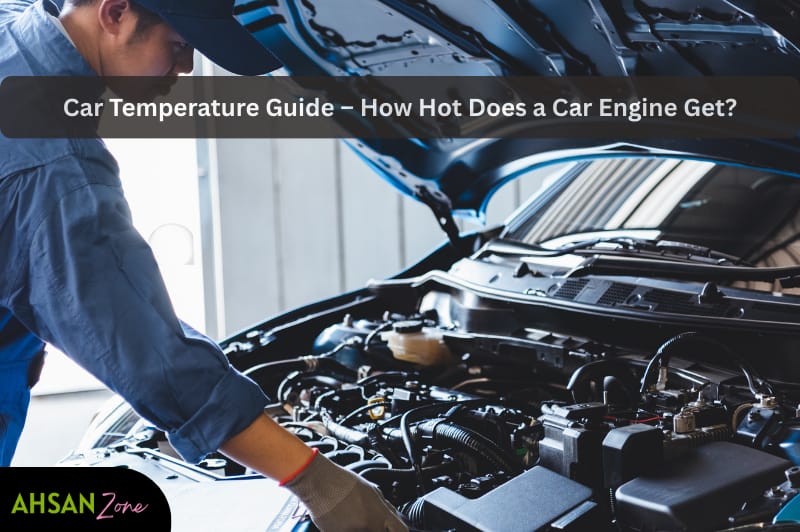
Car Temperature Guide – How Hot Does a Car Engine Get?
Is your car engine heating up more than usual? Car engines naturally get warm while running, but extreme heat can indicate serious problems. Overheating can lead to engine failure, costly repairs, or even accidents. Understanding how hot your engine should get, what causes overheating, and how to prevent it is critical for every driver.
In this guide, we’ll explore:
-
Why car engines overheat
-
Normal vs. dangerous engine temperatures
-
How to handle an overheated engine
-
Preventive measures for safe driving
-
FAQ section for common U.S. drivers
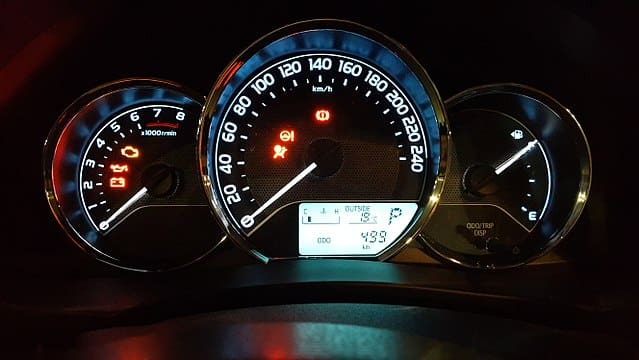
Why Does a Car Engine Get Super-Hot?
Several factors can cause engine overheating:
-
Low or Run-Out Coolant
The cooling system prevents the engine from overheating. Coolant circulates heat away from the engine, maintaining a safe temperature. Low coolant levels or leaks can quickly cause overheating. -
Extreme Summer Heat
High outside temperatures increase engine load, especially during stop-and-go traffic, long commutes, or uphill driving. -
Fast Driving or Heavy Loads
Driving aggressively or towing heavy items increases engine temperature as the engine works harder. -
Mechanical or Functional Issues
Problems such as:
-
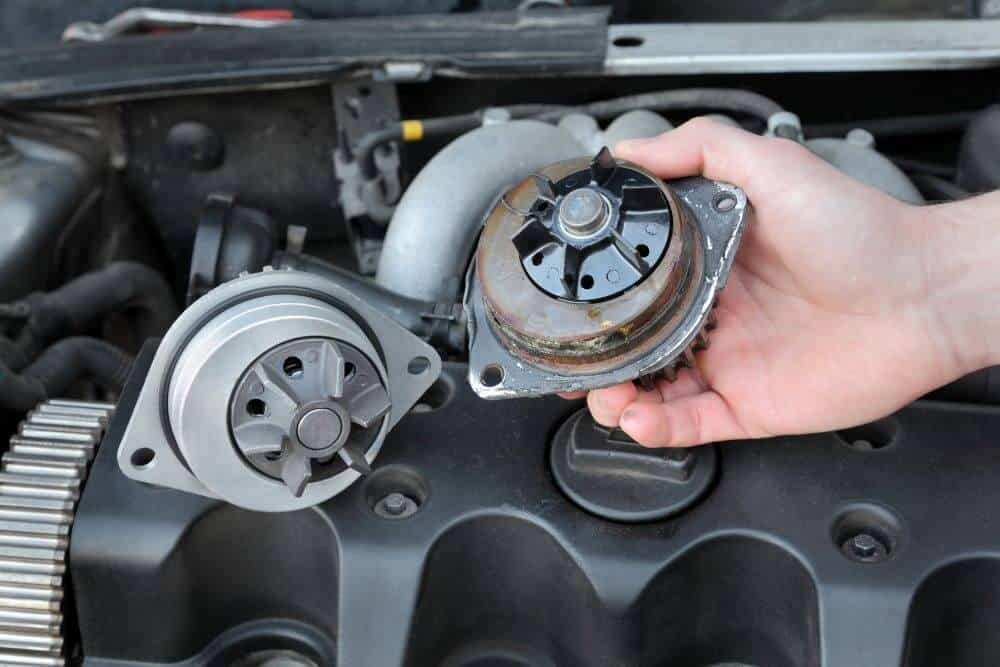
Faulty water pumps
-
Malfunctioning thermostats
-
Broken radiator fans
-
Damaged hoses or belts
All these can compromise the engine’s ability to cool itself.
How Hot Does a Car Engine Get?
| Vehicle Type | Normal Operating Temp (°F) | Maximum Safe Temp (°F) | Notes |
|---|---|---|---|
| Sedan (Toyota, Honda) | 195–220 | 250 | Standard engines; overheating above 250°F can cause damage |
| Pickup Truck (Ford F-150, Chevy Silverado) | 200–225 | 260 | Heavier loads increase engine heat |
| SUV (Jeep, Toyota RAV4) | 195–220 | 255 | More cooling capacity; monitor in stop-and-go traffic |
| High-Performance Car (Ford Mustang, Chevy Camaro) | 200–230 | 300 | Engines tolerate higher heat; check manufacturer specs |
Most engines operate between 195–220°F (90–105°C). Exceeding 250°F (121°C) is considered dangerous unless the car is high-performance.
What Should You Do If Your Engine Overheats?
If your engine gauge reaches the red zone or shows extreme heat, follow these steps:
1. Stop Driving & Park Safely
-
Pull over to a safe location immediately.
-
Turn off the AC, which adds extra strain to the engine.
2. Let the Engine Cool
-
Wait 20–30 minutes before opening the hood.
-
Wear gloves or use a thick cloth to avoid burns from hot surfaces or steam.
3. Check Coolant Levels
-
Locate the coolant reservoir marked “Coolant” or “Antifreeze.”
-
Check if the coolant level is between Low and Full.
-
Do not open the radiator cap if the engine is still hot.
4. Add Coolant or Antifreeze
-
Use the type recommended in your car manual.
-
Slowly pour coolant into the reservoir until it reaches the Full mark.
5. Call a Professional
-
If the engine remains hot after adding coolant, do not continue driving.
-
Call a mechanic or tow service to avoid permanent damage.
Preventive Measures to Avoid Engine Overheating
-
Regularly Check Coolant Levels – at least every 2 weeks and before long trips.
-
Inspect Radiator and Hoses – fix leaks promptly.
-
Clean Air Conditioning Condenser – dust and debris can reduce cooling efficiency.
-
Drive Smoothly – avoid aggressive acceleration or high-speed driving in hot weather.
-
Store Extra Antifreeze in Your Car – be prepared for emergencies.
-
Use Belt Dressing – keeps serpentine belts efficient and prevents slippage.
-
Follow Scheduled Maintenance – water pump, thermostat, and fan checks reduce risks.
Common Causes of Overheating in U.S. Cars
| Cause | Symptoms | Solution |
|---|---|---|
| Coolant Leak | Steam, low coolant | Refill, fix leak, check hoses |
| Faulty Thermostat | Engine hot/cold swings | Replace thermostat |
| Broken Fan | Engine overheats at stoplights | Repair/replace fan |
| Clogged Radiator | High temp at all speeds | Flush or replace radiator |
| Overloaded Engine | Towing, high-speed drive | Drive carefully, rest engine |
FAQ – Car Engine Temperature & Overheating
1. Can I drive if the engine is overheating?
-
If slightly warm: drive slowly to a safe spot.
-
If extremely hot or steam is present: stop immediately.
2. How do I reset the engine temperature gauge?
-
The gauge resets when the engine cools.
-
For persistent issues, consult a mechanic.
3. Is it safe to use water instead of coolant?
-
No. Water alone reduces cooling efficiency and can cause corrosion. Always use proper antifreeze/coolant.
4. How often should I replace coolant?
-
Typically every 30,000–50,000 miles, but check your manual.
5. Can engine overheating cause permanent damage?
-
Yes. Prolonged overheating can warp the cylinder head, damage gaskets, or even cause engine failure.
6. Why is my engine overheating only in summer?
-
High outside temperatures increase engine load, especially with heavy traffic or fast driving.
7. Should I turn off the AC if the engine is overheating?
-
Yes. The AC adds extra heat load to the engine, so turn it off until the engine cools.
8. Can low oil cause engine overheating?
-
Yes. Oil reduces friction and heat inside the engine. Low oil can accelerate overheating and cause serious damage.
Conclusion
Car engines naturally get warm during operation, but extreme heat should never be ignored. Normal engines operate around 195–220°F, while anything above 250°F is risky. Always check coolant levels, follow maintenance schedules, and drive cautiously to prevent overheating.
By understanding how hot a car engine gets, recognizing symptoms, and taking immediate action, you can avoid expensive repairs and enjoy a safe driving experience.