
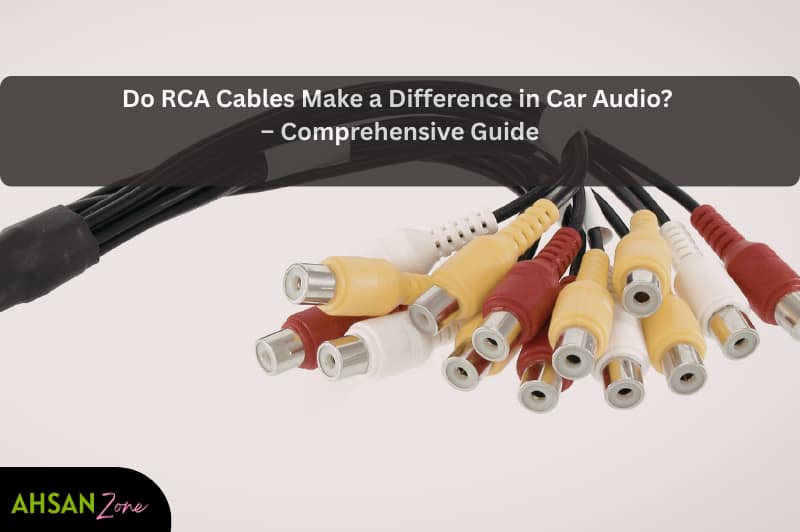
Do RCA Cables Make a Difference in Car Audio? – Comprehensive Guide
If you’ve invested time and money into upgrading your car audio system, you might ask: Do RCA cables make a difference in sound quality? The answer is yes — but it depends on your setup, cable quality, and installation.
Whether you’re a casual listener or a true audiophile, this guide explains how RCA cables influence sound quality, what makes premium cables better, and how to choose the right ones for your car.
What Are RCA Cables?
RCA cables transmit low‑level audio signals from your head unit (stereo) to external devices like amplifiers and processors. Unlike speaker wires, which carry power to the speakers, RCA cables carry voltage signals. Even small disruptions in these voltage signals can affect audio quality.
In car audio, the signal path matters because the strength and clarity of the signal determine how accurately your system reproduces sound.
Why Do People Care About RCA Cables?
Some car owners think cables don’t matter. After all, “it’s just a wire,” right?
Not really.
Imagine playing a high‑resolution track on a great stereo system. If the signal gets degraded before it reaches the amp or speakers, you’ll never hear the system’s full potential. That’s why RCA cables can make a real difference — especially in higher‑end audio systems.
Premium vs Standard RCA Cables
Not all RCA cables are equal. There is a big difference between standard and premium cables — and that difference affects performance.
Comparison Table: Premium vs Standard RCA Cables
| Feature | Standard RCA Cable | Premium RCA Cable |
|---|---|---|
| Conductor Material | Regular copper | OFC (Oxygen‑Free Copper) |
| Signal Noise Protection | Minimal | High, braided shielding |
| Interference Resistance | Lower | Much higher |
| Longevity | Moderate | Very high |
| Signal Loss Over Distance | More | Less |
| Connector Quality | Standard | Gold‑plated or premium |
| Price | $10–$30 | $40–$150+ |
How RCA Cables Affect Car Audio Sound
1. Signal Integrity — The Real Sound Difference
Your audio system converts digital or analog music into tiny electrical voltages. These voltages travel through RCA cables on their way to the amplifier, where they’re boosted and sent to your speakers.
If the signal gets altered during this trip — even slightly — your sound quality drops. Premium RCA cables are designed to carry these signals as cleanly and accurately as possible.
Effects of Poor Signal:
-
Hiss or static
-
Loss of detail in vocals
-
Muddier bass
-
Harsh or distorted highs
Premium cables with better shielding help prevent these problems.
Three Main Causes of Sound Degradation
Several factors can degrade the audio signal as it travels through RCA cables.
1. Interference from Other Electronics
Modern cars are full of electrical noise. GPS, Bluetooth, Wi‑Fi hotspots, and even engine electronics can create electromagnetic interference (EMI). Poorly shielded cables pick up this noise, which then mixes with the audio signal.
2. Cable Length
The longer the cable, the greater the chance of interference and signal loss. In cars, the distance from the head unit to the amplifier (often in the trunk) can be significant. Higher‑quality cables handle long runs much better.
3. Grounding Issues
Even expensive cabling can fail if your vehicle’s electrical system isn’t grounded properly. Ground loops cause hums and noise that no cable quality alone can fix.
Breakdown: Why Premium Cables Work Better
Premium RCA cables are usually built with:
Braided Shielding
Multiple layers of shielding protect against EMI and RFI (Radio Frequency Interference). This means cleaner audio.
Oxygen‑Free Copper (OFC) Conductors
OFC has fewer impurities, which means more consistent conductivity and less signal loss.
Gold‑Plated Connectors
Gold doesn’t corrode like nickel or cheap metals. This makes contacts more reliable over time.
Tighter Tolerances
Premium cables are manufactured with closer tolerances, meaning consistency across the cable run.
All these features help the audio signal travel with minimal loss and distortion.
Real World Example: Two Identical Systems with Different Cables
Imagine two identical car audio systems:
-
Same head unit
-
Same amp
-
Same speakers
The only difference is:
-
System A uses standard RCA cables
-
System B uses premium RCA cables with OFC and braided shielding
In System B:
-
The audio signal travels more cleanly
-
Less interference means more detail in music
-
Better separation between instruments
-
Cleaner bass response
Listeners often describe the difference as more clarity, less noise, and fuller sound.
Does Price Equal Better Sound? Not Always
High price doesn’t automatically mean better performance. Some premium cables are overpriced relative to their real benefits. Your goal should be to choose well‑constructed, shielded, OFC cables with solid connectors — not just the most expensive option.
Grounding: The Most Overlooked Sound Factor
Even the best RCA cable won’t fix a poor ground. If your grounding is weak:
-
Amplifier noise will occur
-
Bass may become muddy
-
Radio interference increases
Make sure your amp and head unit share a solid, common ground point on the car chassis. A good ground will immediately improve clarity and reduce noise.
When RCA Cable Quality Matters Most
Improved cables show the biggest difference when:
You have an upgraded or high‑power system
Simple sound systems may not show noticeable improvement — but as your system quality increases, the cable impact grows.
Your amp and speakers are sensitive
High‑end components reproduce more detail. Poor cables can mask that detail.
Long Cable Runs Are Involved
Cable runs to trunk‑mounted amplifiers benefit a lot from better shielding.
When RCA Cables May Not Make Much Difference
There are times when upgrading cables may not make a clear audible difference:
-
Low‑end factory systems
-
Short RCA runs with minimal interference
-
Systems with poor installation quality or grounding issues
In these cases, addressing installation and grounding tends to offer bigger improvements than changing cables alone.
Installation Tips for Best Car Audio Performance
Here are practical steps to make sure your system sounds its best:
1. Route Cables Away from Power Wires
Keep RCA cables separate from power cables to avoid noise induction.
2. Shorter Runs Are Better When Possible
Shorter RCA runs reduce the chance of interference.
3. Avoid Pinching or Bending Cables Sharply
Damage to the shielding or conductor can degrade sound.
4. Use Quality Connectors
Gold‑plated connectors offer better long‑term performance and less corrosion.
RCA Cable Tips for Budget‑Minded Installers
If you’re on a budget but still want improvement:
-
Choose cables with braided shielding and OFC conductors
-
Avoid extremely cheap, unshielded cables
-
Fix grounding issues first
-
Ensure proper routing and distance management
Good performance doesn’t always require the most expensive cable — just well‑built cables that preserve the signal.
Common Misconceptions About RCA Cables
“Cables don’t matter — only amps and speakers do.”
Not true. All components in the signal chain matter. A weak link (bad cable) can drown out the benefits of other upgrades.
“Darker, thicker cables are better.”
Physical thickness doesn’t equal better performance. Look for shielding quality and conductor type.
FAQs — RCA Cables and Car Audio
Q1: Do RCA cables improve sound quality?
Yes. Premium RCA cables reduce noise, protect signal integrity, and help deliver clearer audio in high‑quality systems.
Q2: Are expensive RCA cables worth it?
If you have a mid‑ to high‑end system, yes. The difference becomes more audible with better components.
Q3: How long should RCA cables be?
As short as your system allows, but without tension. Avoid unnecessary length to reduce noise risk.
Q4: Can bad grounding ruin audio quality?
Absolutely. Poor grounding often causes hum and interference that cable upgrades alone cannot fix.
Q5: Do RCA cables affect bass quality?
Indirectly. Cleaner signal transmission helps your amplifier deliver more controlled and accurate bass.
Conclusion: Yes, RCA Cables Do Make a Difference
So, do RCA cables make a difference in car audio? Yes — especially in well‑upgraded systems. Premium cables with better shielding, oxygen‑free conductors, and quality connectors help maintain signal integrity, reduce noise, and unlock cleaner, more detailed sound.
But high‑quality cables are only one piece of the puzzle. Proper grounding, routing, installation, and system balance are equally important. When all elements work together, your car audio system will sound far better than with cheap wiring and poor setup.
In the end, if you care about audio quality, investing in the right RCA cables is a smart decision that supports your overall sound performance — without unnecessary distortion or noise.